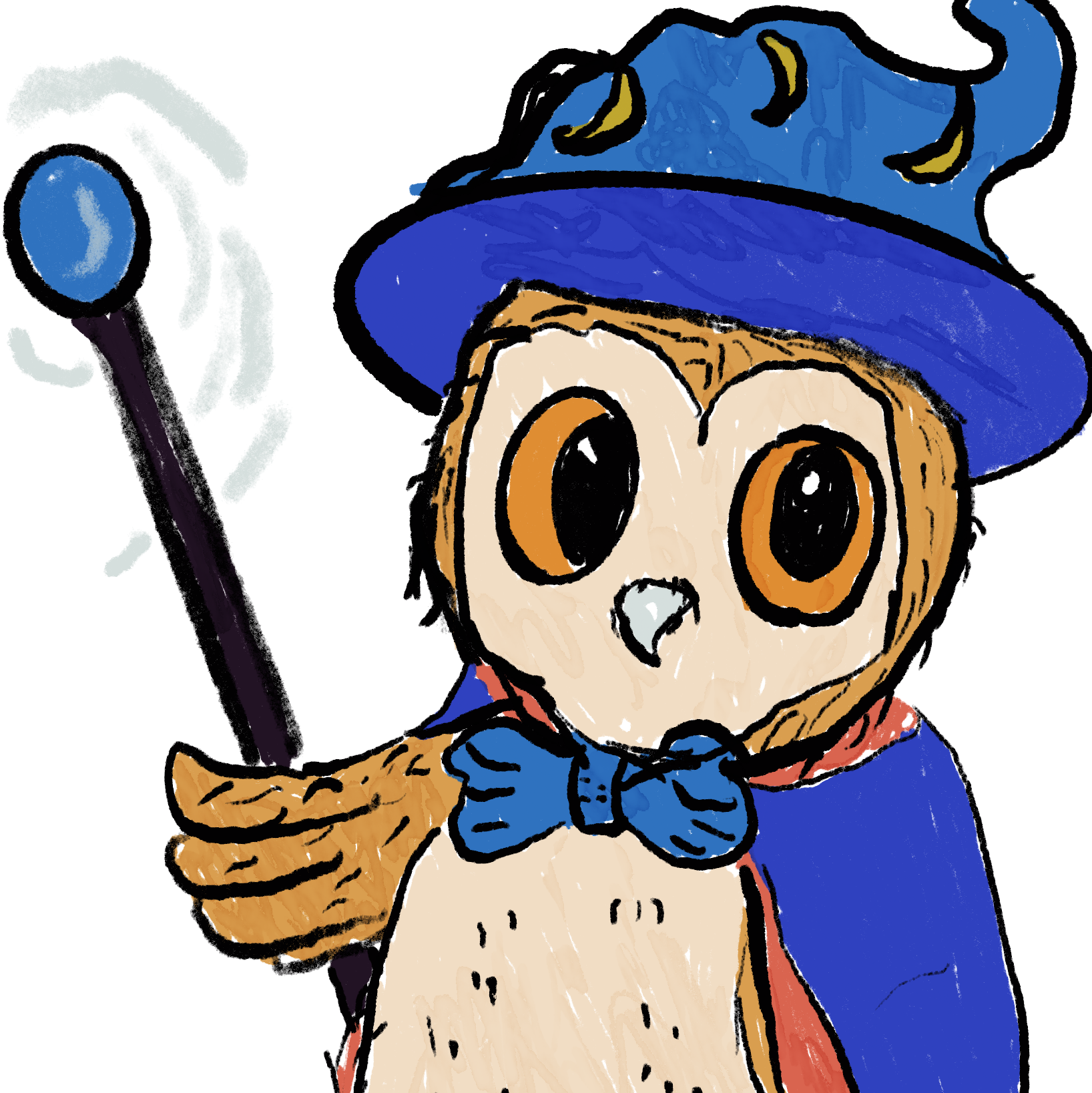

The Beowulfian Influence Over Video Games
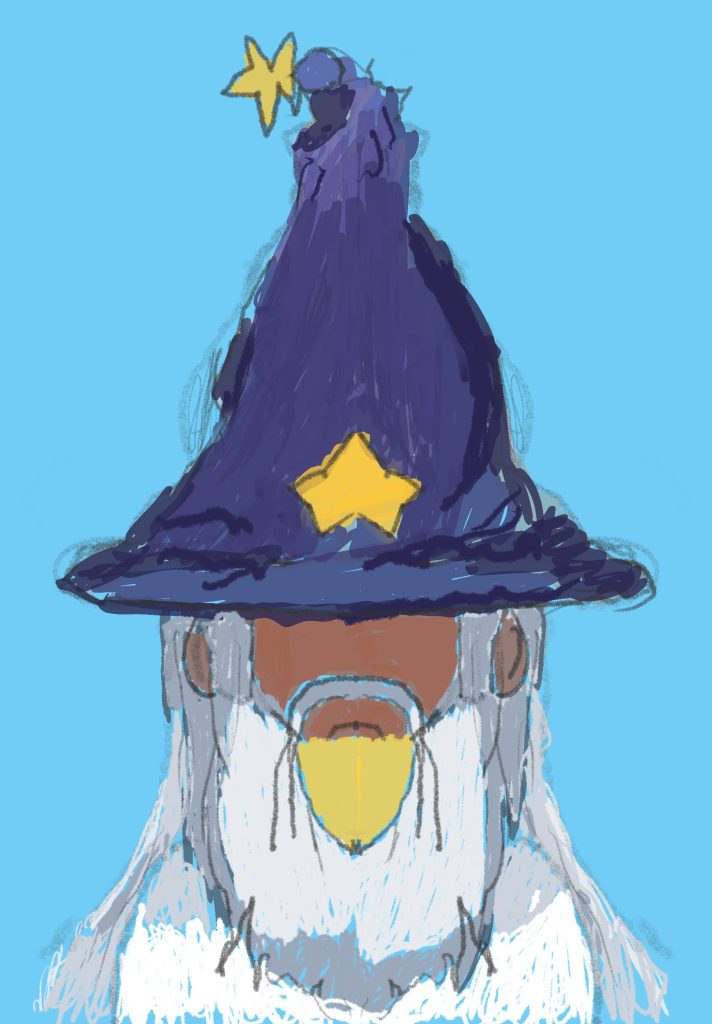
The Beowulfian Influence over Video Games
Episode I: Maplestory
Introduction
During my youth, I played many different games. These ranged from console games to PC games. In stark contrast to modernity, the games were not as high-defined as today games are now. Instead, we had a lot of 2D games, but 3D games were also common during my days of childhood gaming. Maplestory was one of the 2D games that kept a lingering and lasting effect on me. But why did this game impress me so much? And how does this game later prove to be not just a coincidence of fancy but is rather a part of a pattern? In this article series, I am going to discuss how the Old English poem Beowulf influenced how modern ideas of fantasy, and how this process could be perceived in video games.
Fantasy and RPGs
I knew from a very early age that the Middle Ages along with the Graeco-Roman period in history were my main focal points of interest. The fantasy genre is something that finds its roots in these historical periods. The Legend of Zelda is a good example of this. Many fantasy games, stories or novels are directly inspired by Tolkien’s Middle-earth and blend in the folkloric themes with their medieval settings. For example, elves and dwarves directly stem from Germanic folklore. Both these species became such an inspiration to other writers that it is almost impossible to imagine not a fantasy plot without them. The Witcher-series exhibits a good example in this.
Furthermore, medievalism seems to go hand-in-hand with modern fantasy. This is not only for the introduction of the supernatural races like elves, dwarves and dragons. While talking about medieval films instead, Avery Lafortune perfectly addressed it as such:
Myth and magic have a way of infiltrating medieval films just as medieval settings, technologies, political systems, and social structures have become hallmarks of fantasy worldbuilding… The fantastic cannot be severed from the real. The medieval, however loosely interpreted or imaginatively translated, is what provides the fantastic its familiar, grounding realism.1
Maplestory
The same could be said about the 2D MMORPG Maplestory. It first saw its light during 2003, when it was released by the groups Wizet and Nexon. In fact, Wizet were the first developers:
Wizet, the developers of the game, had released the game in South Korea around 2003. The game was a hit domestically, alerting publishing company Nexon. From there, Nexon acquired and absorbed Wizet, allowing the game to be developed and distributed on a global scale. While WoW became the titan of the genre [MMORPG], GMS (Global Maplestory) began beta testing under their shadow.2
Both Nexon and Wizet originate from South Korea, and this remains to be the country where Maplestory finds its most fans. It became even so popular in South Korea that it had eleven distinct regions as to localise the players’ experiences. This eventually must have led towards having a divide in Maplestory Global and Maplestory Europe as well. You should know that as a European player it was not always fun to be caught off from the rest of the world (Korea and the US). Although I may not have liked it, Maplestory appeared to have been faring well into these regional distinctions.
It is also no wonder that Maplestory became so popular in Korea that it gained its own amusement park in Lotte World, Seoul, South Korea. Ever since 4 April 2026, Maplestory players and lovers could visit their favourite gaming world in real life![^ https://koreatravelpost.com/lotte-world-maple-story-new-theme-zone-attractions/][^ https://koreatravelpost.com/lotte-world-maple-story-new-theme-zone-attractions/] Maplestory is not only popular for its immense multiplayer platform, but it also gains a lot of appeal from its chibi-styled art.
But why the connection to Beowulf?
I must first confess that Beowulf’s influence over Maplestory is very subtle in nature. The previous article discussed how medievalism and fantasy seem to be inherent to one another. Maplestory applies the same formula as Tolkien did: have a fantasy world filled with medieval aspects. For example, the town of Henesys may remind someone of a Middle English figure and hero: Robin Hood. Elinia is a forest town that resembles every medieval Celtic fairy world. When looking at Middle English literature, we could easily detect the fey realm found in Sir Orfeo in Elinia.
Yet, while Maplestory holds a lot of medieval elements in its story arc, it must be emphasised that not all aspects or characteristics in the game are linked to the medieval period. For example, we could not find any pirates with real guns in the medieval period. There are enough pirates found in English literature, but these were called the Vikings (Old English wicing or Old Frisian wītsing). Yet, these marauders did not have any blazing guns as they are portrayed in Maplestory. It is, therefore, good to make the correction that not everything in the game’s fantasy world could be deemed medieval or a form of medievalism.
The connection to Beowulf came to me, while I naturally revisited Maplestory again. After years of absence, I finally took the liberty to go on a maple adventure once more. I noticed quickly the name of Grendel the Really Old, and how this instantly brought me the idea that Beowulf was used here.
Beowulf and Maplestory
Unlike Beowulf, Grendel the Really Old is not a monster with him of éagum stód ligge gelícost (‘from his eyes issued, most like a flame’, ll. 726–7).3 This description is purely to say that Grendel the Really Old does not possess any fiery flaming eyes. The makers of Maplestory must have been familiar with the name ‘Grendel’ through its usage in Beowulf. There are not many other stories that possess its name other than modern adaptations of Beowulf. The discussion regarding the name’s meaning indicates the name’s rarity across all English literature. It is even to such an extent unknown that academics remain unclear as to what the word ‘Grendel’ even implies. Felicia Jean Steele provides a good summary of this scholarly debate in her scholarly journal article.4 Some interesting translations concern Old English grindan, ‘to grind’, and Old Norse grandor, ‘to destroy’.
When returning to Grendel the Really Old in Maplestory, both translations are not comprehensive. Perhaps, he is a wizard who destroys a lot of enemies, but it does not make any sense as to why he would be named like that for etymological reasons. My hypothesis is, therefore, that the developers borrowed the name directly from the Beowulf tale. This would explain why Maplestory maintains its medieval aspect: medievalism.
What next?
The following article in this series shall remain investigating Maplestory to more details that I could connect to Beowulf. There are far more easter eggs regarding this Old English story in the game.
- Lafortune, Avery, ‘Fantastic Histories: Medievalism in fantasy film and television’, in The Routledge Companion to History and the Moving Image, first edition, vol. 1, edited by M. Hughes-Warrington, K. Nelson and M. E. M. Treacey, (Routledge, 2024), p. 130. ↩︎
- Kee, Matt, https://medium.com/@matthewrustykee/maplestory-beyond-the-game-c065712f13b, 30th of January 2019. ↩︎
- Slade, Benjamin, Beowulf, edited and translated by Benjamin Slade, https://heorot.dk/beowulf-rede-text.html. ↩︎
- Steele, Felicia Jean, ‘Grendel: Another Dip into the Etymological Mere’, English Language Notes, Vol. 40 (3), (2003): pp. 1–13. ↩︎